
Coffee prices have peaked in 50 years

Producers are not celebrating. Climate change is behind the windfall profits, and growers are worried about whether they will be able to adapt.
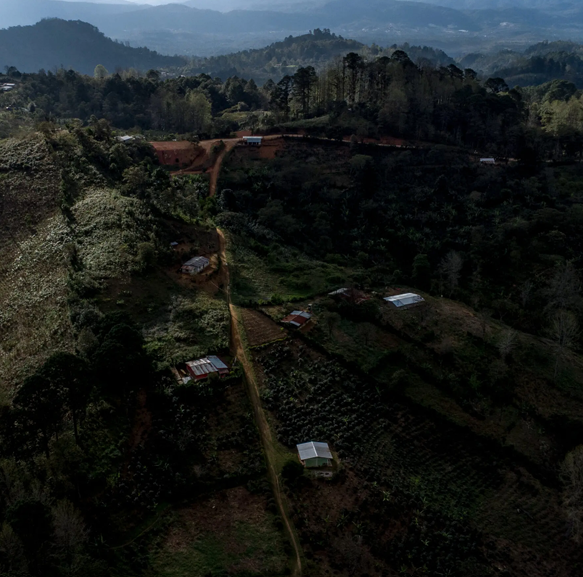
Climate change is reducing the world's coffee supply due to rising temperatures, droughts and excessive rainfall.
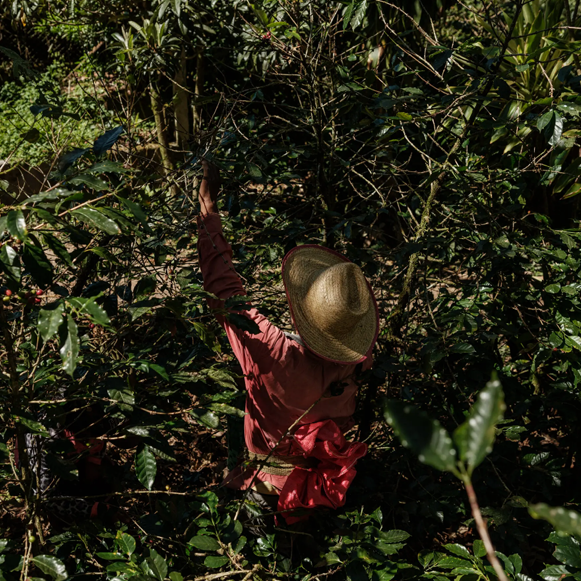
These must be wonderful moments at Finca El Puente, a coffee plantation located in the mountains of southwestern Honduras. On world markets, the price of ordinary coffee has more than doubled in the past year. The specialty coffee varieties harvested on the farm have long commanded a high price, reflecting their status as a source of flavorful beverages that are consumed like fine wine from Seattle to Seoul.
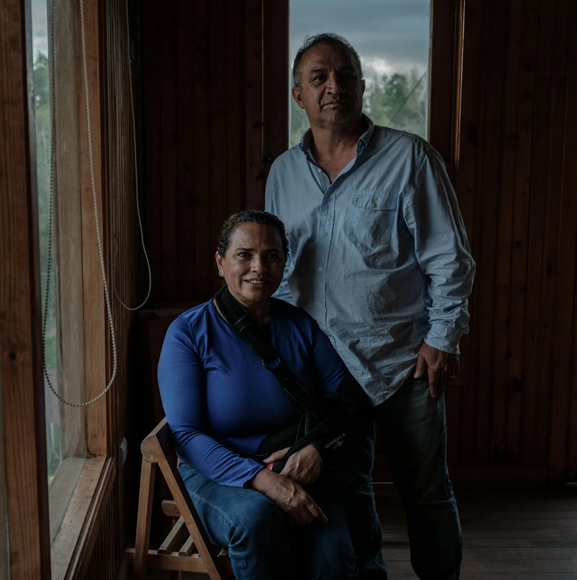
On a recent afternoon, a buyer from Malaysia was visiting to sample the latest offerings. However, the owners of the enterprise - Marisabel Caballero, a fourth-generation coffee farmer, and her husband Moises Herrera - are increasingly worried. Production costs have risen. They have to pay extra wages to attract scarce workers; fertiliser has become more expensive. Their crops have been devastated by untimely rains and fluctuating temperatures. Even after the price hike, they are likely to earn less this year than last. They are pondering the possibility that high prices could lead some coffee drinkers to cut back on their consumption and replace it with cheaper products such as soda and energy drinks to satisfy their caffeine cravings.
The further into the future they think, the greater their concern. More than anything, they worry about what is driving up prices: climate change, which is reducing the world's coffee supply through rising temperatures, droughts and excessive rainfall - most recently in Brazil and Vietnam, the world's two largest coffee producers. This is causing unrest in coffee plantations across the planet. Whoever benefits from rising prices today could be wiped out by the next disaster tomorrow.
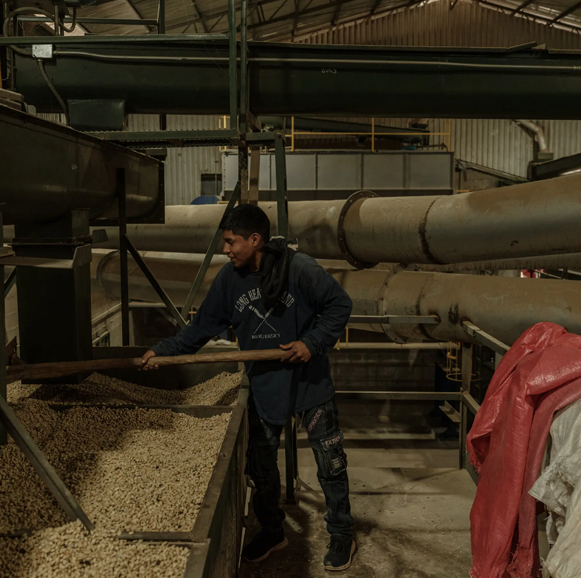
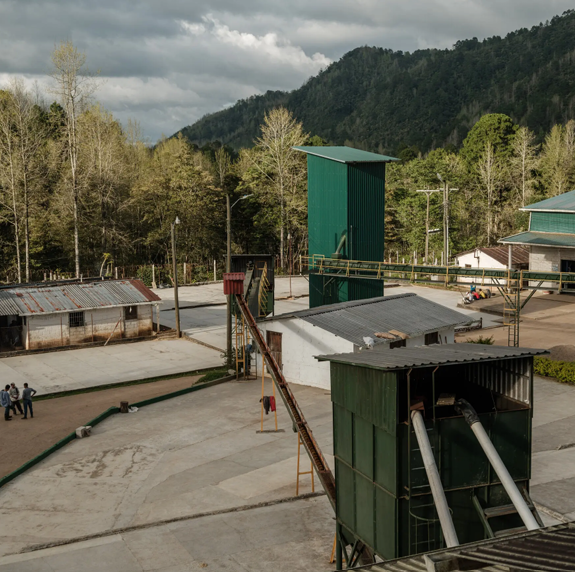
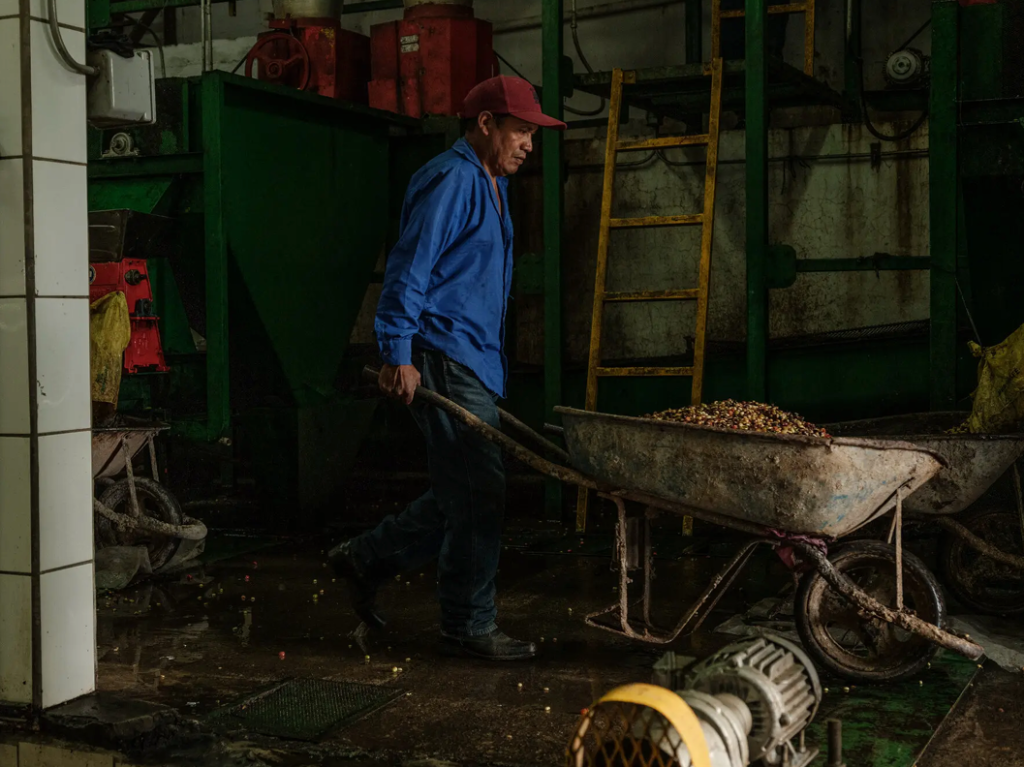
Finca El Puente's crop suffered from the cold in December and January, followed by late rains that discouraged their workers from entering the plantations to pick the ripe fruit. Given this, they do not see the record prices as a windfall so much as a manifestation of looming problems. "For us, coffee production is our life," says Mr Herrera, 58, as workers lift 100-kilogram sacks of freshly picked coffee beans and stack them in piles at his mill for processing. "A lot of growers are starting to lose hope."
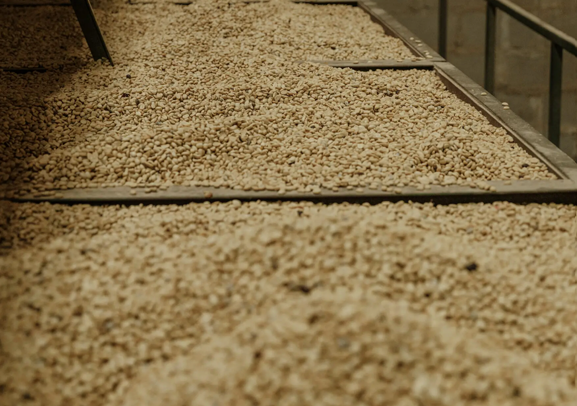
Some believe that more expensive coffee is a corrective to an international system that has long underpaid producers, and has the potential to right the injustice and environmental destruction of generations.
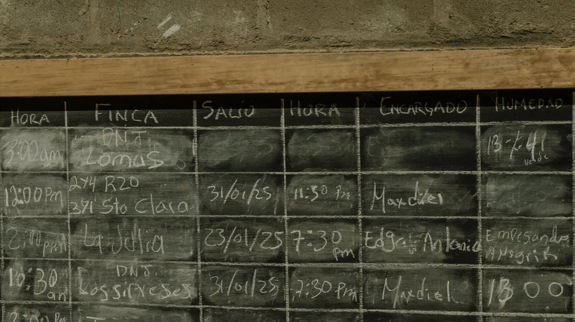
At Finca El Puente, they have achieved international success. Their precious coffee is sold in elite stores around the world, including Intelligentsia and Stumptown in the United States. However, they are now considering a previously unthinkable prospect: downsizing. So many locals have headed north to the United States in search of work that they are having difficulty hiring the workers they need, even at sharply higher wages. In response, they have mechanized many of their factories. But there are no machines to cope with the bouts of bitter heat and cold.
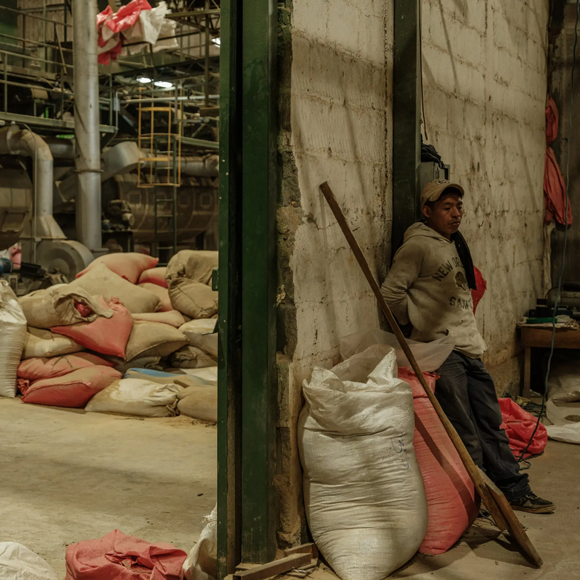
„Това е най-лошата година“, казва г-жа Кабайеро, осъзнавайки странността на подобно твърдение във време на рекордни цени. Тя и съпругът ѝ ценят живота си, прекаран на открито, извън обсега на интернет и неговите бръмчащи приложения.
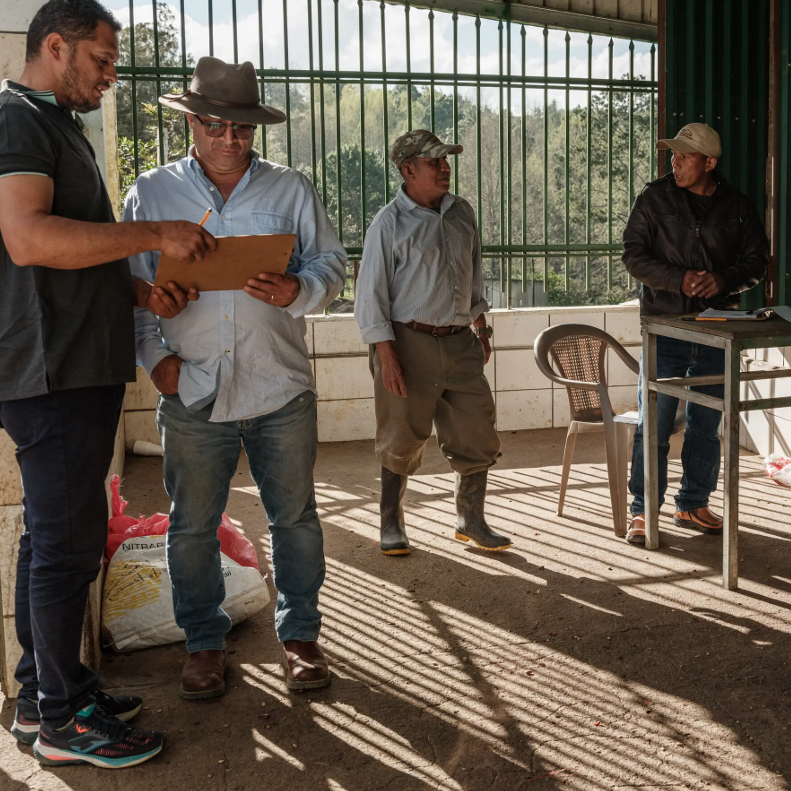
"This is the worst year ever," says Ms. Caballero, realizing the oddity of such a statement at a time of record prices. She and her husband cherish their lives spent outdoors, beyond the reach of the Internet and its buzzing apps. Even inside the mill, beneath the huge steel drums that turn slowly and dry the beans within, they pause to smell the sweet, smoky aroma that wafts through the establishment. "We love the coffee," Ms. Caballero says. "We always thought we'd die growing coffee. We're happy that way." But they're no longer sure that will last.
Part of the article by Peter S. Goodman - New York Times
Photos by Alejandro Cegarra